Indoor Air Quality Services in Lincolnton, NC
Indoor Air Quality Solutions in Lincolnton for homes and businesses facing allergens, poor ventilation, and seasonal air concerns
Mechanical Air Specialties LLC provides indoor air quality solutions that address visible dust buildup, persistent odors, and airborne allergens in homes and commercial spaces throughout Lincolnton. You may notice a musty smell when the system runs, family members sneezing more often indoors, or a layer of fine dust settling on furniture within days of cleaning. These signs point to circulation issues, inadequate filtration, or humidity imbalances that standard HVAC operation does not resolve on its own.
The service includes installing air purifiers that capture particles as small as bacteria and mold spores, upgrading standard filters to models with higher MERV ratings, and adding humidity control equipment to prevent moisture-related problems during humid North Carolina summers or dry winter heating cycles. Seasonal changes in the region can increase pollen counts in spring and fall, which means outdoor contaminants move indoors through windows, doors, and ventilation systems. Targeting these issues requires equipment matched to the square footage, duct layout, and occupancy patterns of the space.
If you want to reduce visible dust or help family members breathe easier indoors, schedule an air quality assessment with Mechanical Air Specialties LLC in Lincolnton.
What Changes After the Equipment Is Installed
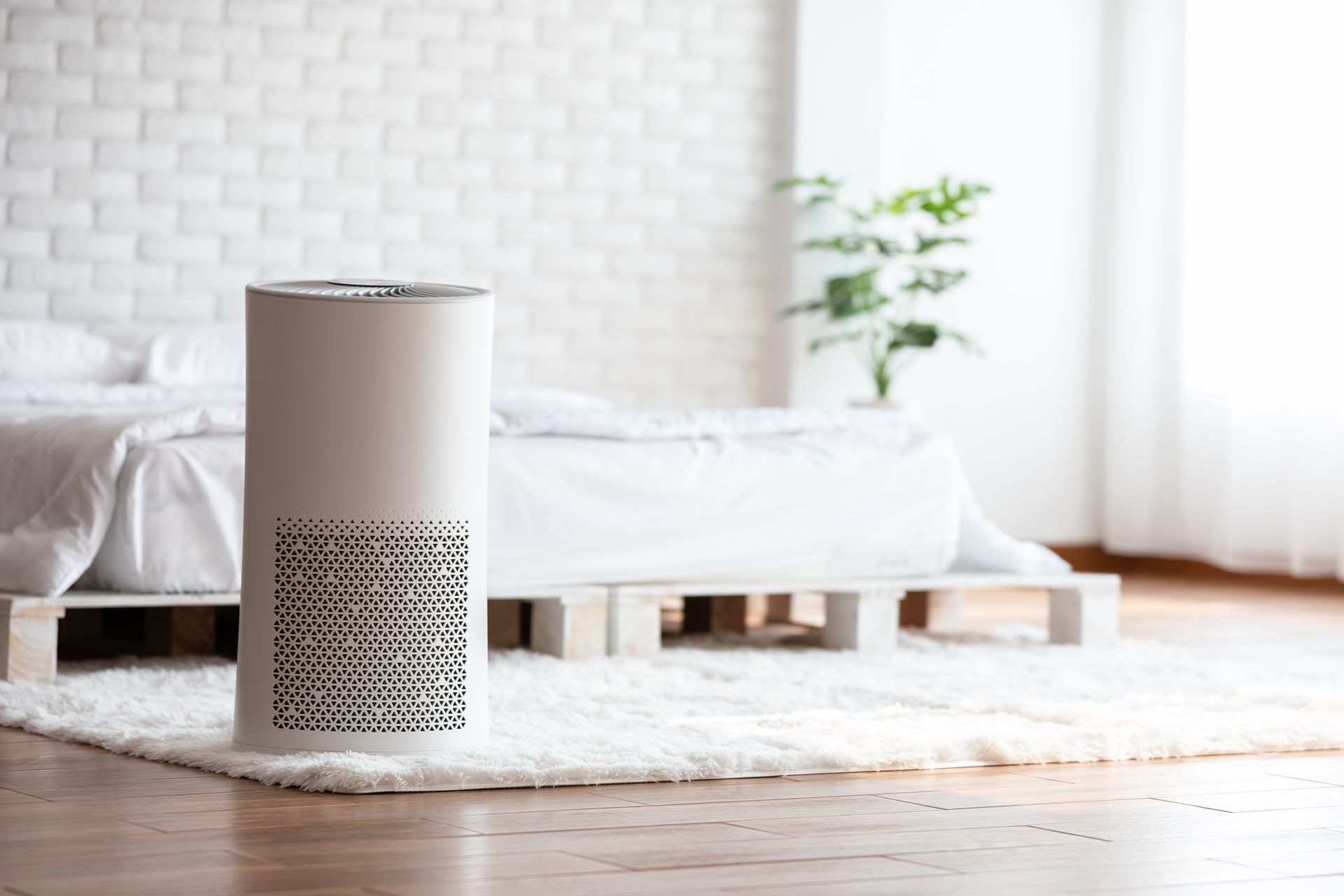
You will see less dust accumulation on shelves and electronics, and many homeowners report fewer allergy symptoms within the first week of operation. Air purifiers with HEPA-grade media trap particles that pass through standard filters, while whole-home dehumidifiers pull excess moisture from the air before it condenses on cool surfaces or supports mold growth. Mechanical Air Specialties LLC selects equipment based on cubic footage, existing duct capacity, and whether the goal is particulate removal, odor control, or humidity regulation.
After installation, you should notice that surfaces stay cleaner longer, and rooms feel less stuffy when doors and windows remain closed. Humidity control prevents warped wood, peeling wallpaper, and the clammy feeling that comes with indoor moisture levels above sixty percent. The equipment integrates with your existing HVAC system, so it operates automatically without requiring daily adjustments or constant filter checks.
Filtration upgrades require regular replacement intervals, typically every three to six months depending on occupancy and outdoor air quality. Air purifiers with UV lamps need bulb replacements annually. Humidity control units have drain lines that must remain clear to prevent overflow. The service does not include duct cleaning or structural ventilation changes, which are separate scopes of work.
Common Questions About Air Quality Work
Homeowners and business operators in Lincolnton often ask how quickly air quality improvements become noticeable and what maintenance the equipment requires over time.
What type of air purifier works best for pet dander and cooking odors?
HEPA filtration handles dander effectively, while activated carbon media absorbs odors from cooking and smoke, so units combining both technologies address the widest range of concerns.
How does humidity control prevent mold in a home with no visible water damage?
Mold spores are always present indoors, but they only colonize surfaces when relative humidity stays above sixty percent for extended periods, which dehumidifiers prevent by removing moisture before condensation occurs.
When should filters be replaced in a system with upgraded filtration?
You should inspect filters monthly and replace them when light no longer passes through the media or when airflow from vents noticeably weakens, usually every three to six months depending on indoor activity and outdoor pollen levels.
Why do some rooms still feel stuffy after air purifiers are installed?
Purifiers clean air within their rated coverage area, but closed doors and poor return air pathways can limit circulation, so placement near return vents or central hallways improves whole-home effectiveness.
How long does a typical air quality equipment installation take in Lincolnton?
Most installations finish within four to six hours depending on whether the work involves a portable unit, a whole-home purifier integrated into ductwork, or a dehumidifier with new drain line routing and electrical connections.
If your home or business struggles with persistent dust, allergy symptoms, or humidity issues, contact Mechanical Air Specialties LLC to evaluate your current system and recommend equipment suited to your indoor environment and usage patterns.