Find the Problem Before Replacing Parts
System Diagnostics and Troubleshooting in Lincolnton for HVAC units with weak airflow, cycling issues, and unexplained performance drops
Mechanical Air Specialties LLC performs system diagnostics and troubleshooting to identify why your heating or cooling equipment runs constantly but fails to reach the set temperature, makes unusual sounds during startup, or shuts off unexpectedly. You might notice rooms staying warmer than the thermostat setting, ice forming on refrigerant lines, or the compressor clicking on and off every few minutes. These symptoms point to refrigerant leaks, failed capacitors, clogged coils, or control board faults that require measurement tools and technical knowledge to pinpoint.
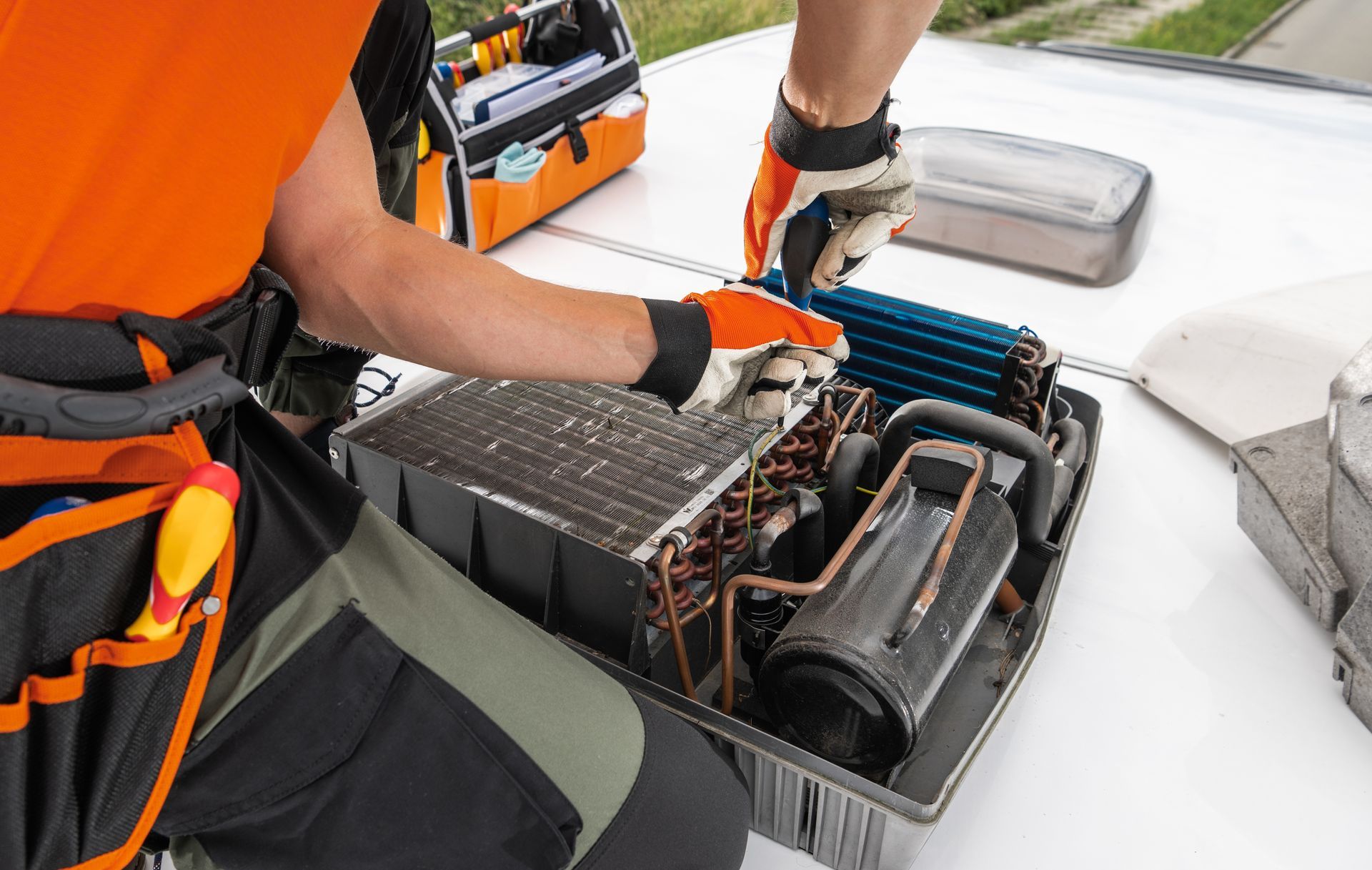
The process involves checking voltage at the condenser and air handler, measuring refrigerant pressures at both the high and low sides, inspecting airflow across the evaporator coil, and testing thermostat signals to confirm proper communication between components. Advanced diagnostic tools like infrared thermometers and refrigerant leak detectors reveal issues that visual inspections miss. Accurate problem identification prevents replacing parts that still function correctly, which saves money and avoids repeat service calls when the real issue remains unresolved.
If your system is underperforming or showing signs of failure, schedule a diagnostic inspection with Mechanical Air Specialties LLC in Lincolnton.
What Diagnostics Reveal About System Function
You receive a clear explanation of what component failed, why it failed, and what repair or replacement will restore normal operation. Technicians document refrigerant levels, amperage draws, and temperature splits to compare against manufacturer specifications, so you know whether the compressor is struggling, the blower motor is drawing excessive current, or the expansion valve is restricting flow. Mechanical Air Specialties LLC explains findings in practical terms, showing you the failed part and describing how it affects system performance.
After diagnostics, you should understand whether the issue stems from wear, improper installation, lack of maintenance, or an external factor like voltage fluctuations or refrigerant contamination. The findings guide repair decisions and help you weigh the cost of fixing an aging system against replacement. Many performance issues trace back to dirty coils, low refrigerant from slow leaks, or capacitors weakened by heat and humidity exposure over multiple seasons.
Diagnostics do not include cleaning services, coil replacement, or full system overhauls unless those are separate quoted repairs. The service identifies the problem and provides a detailed explanation, but additional work requires approval before technicians proceed. Some issues involve multiple contributing factors, so solving one problem may reveal a secondary concern that also needs attention.
Questions About Identifying HVAC Problems
Homeowners in Lincolnton often ask what tools technicians use to diagnose hidden issues and how to tell whether a repair is worth the cost.
What does a refrigerant pressure test show that a visual inspection cannot?
Pressure readings reveal whether the system is overcharged, undercharged, or experiencing restriction in the lines, which affects cooling capacity and compressor lifespan even when no visible leaks are present.
How do technicians determine if a compressor is failing before it stops working completely?
Amp draw measurements show whether the compressor pulls more current than rated, and temperature differentials across the condenser coil indicate reduced efficiency, both signs of internal wear that lead to failure.
When is a diagnostic fee credited toward repair costs?
Most services credit the diagnostic charge if you approve the recommended repair on the same visit, but policies vary by company, so confirm terms before scheduling.
Why does an HVAC system sometimes run fine after a technician inspects it?
Intermittent issues often relate to loose connections, dust buildup, or components on the verge of failure that temporarily function when disturbed during inspection, so repeat diagnostics may be needed if symptoms return.
How long does a full system diagnostic take in Lincolnton?
A thorough inspection with refrigerant checks, electrical testing, and airflow measurements typically requires one to two hours depending on system complexity and whether multiple problems appear during testing.
When your HVAC system shows signs of trouble but the cause is unclear, contact Mechanical Air Specialties LLC for a detailed diagnostic that identifies the issue and outlines your options for repair or replacement.